Context
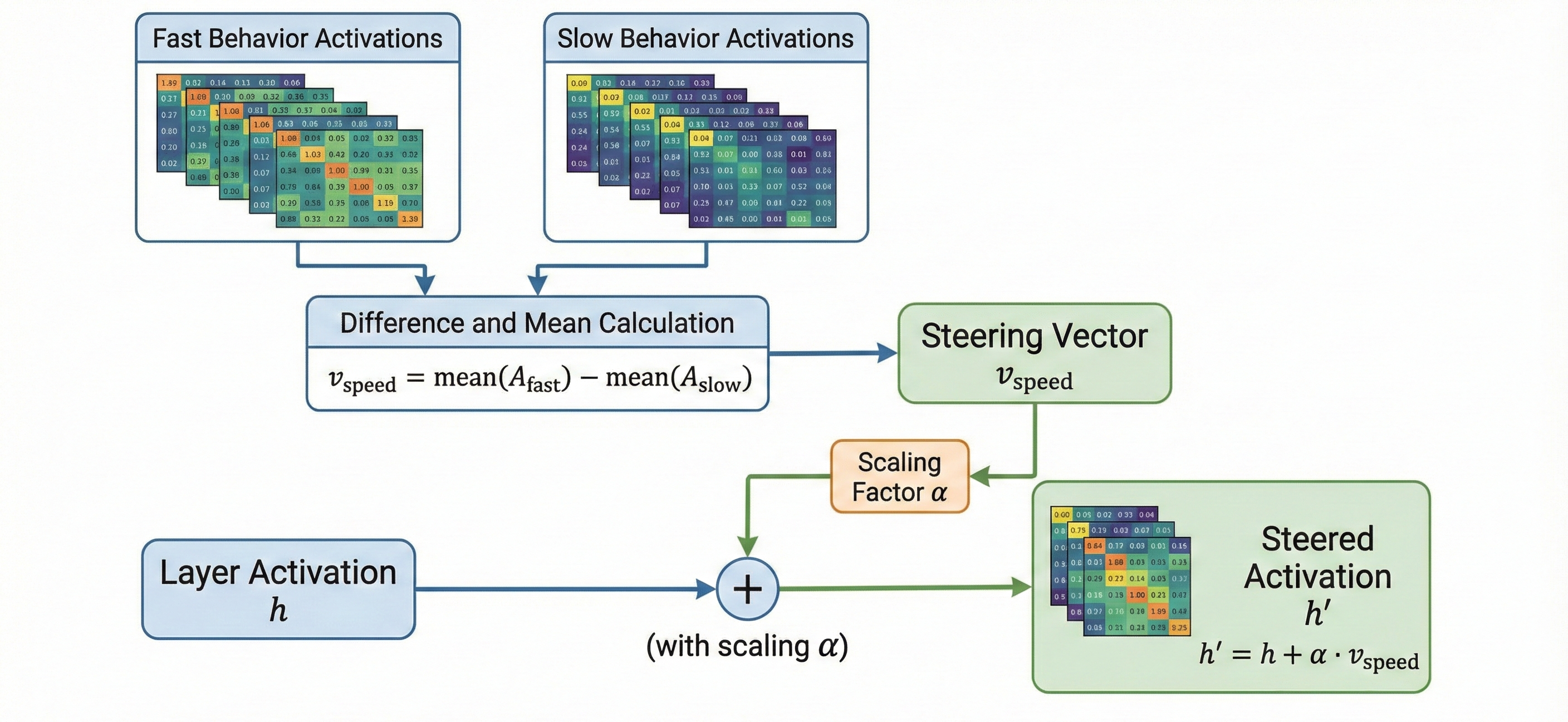
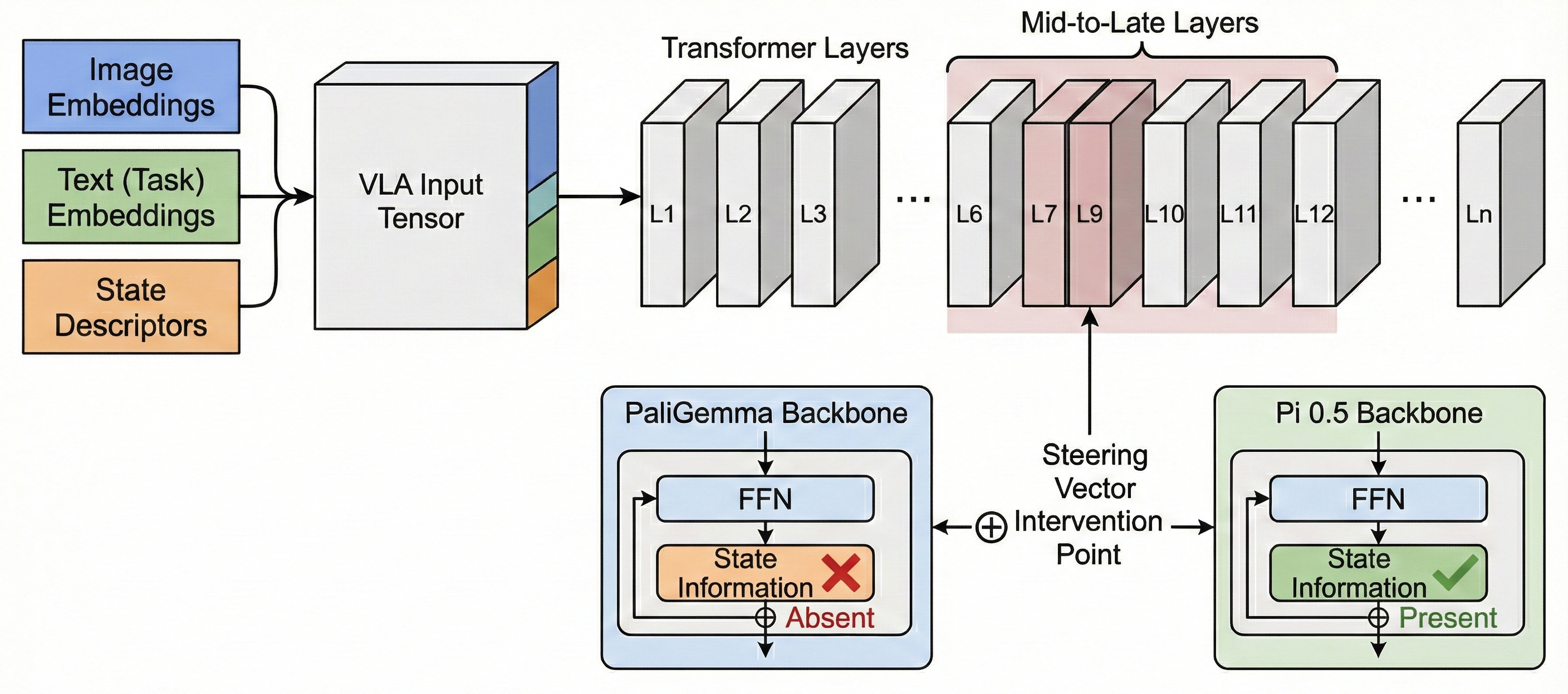
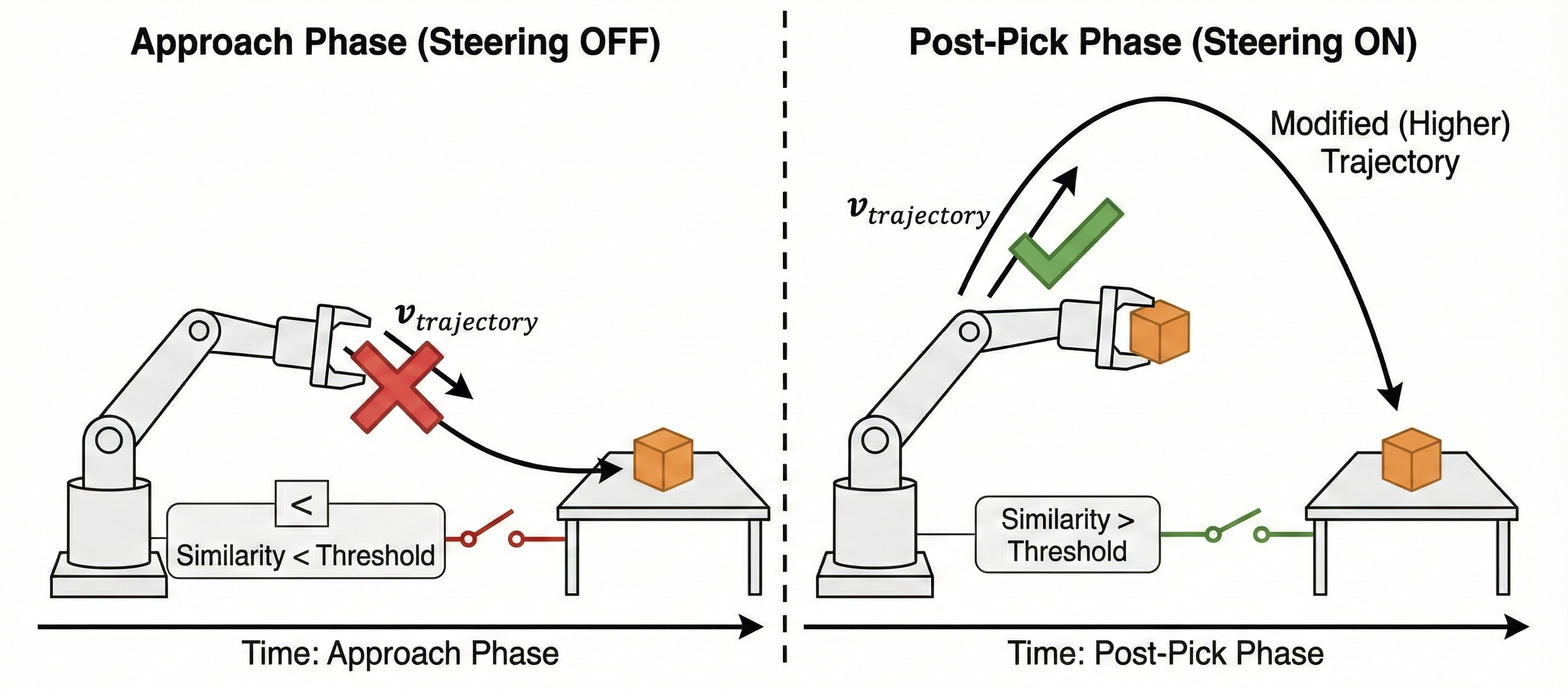
Vision-Language-Action models can map visual observations and language instructions directly to robot actions, but their black-box structure makes post-deployment safety control difficult. This project investigated whether mechanistic-interpretability methods such as Activation Addition and Conditional Activation Steering could modify robot behavior at inference time, shaping trajectories or selectively applying safety constraints without full model retraining.
What I contributed
I worked on the navigation and VLA infrastructure side of the project, including an attempted StreamVLN setup, InternNAV and Isaac Sim setup/evaluation, and fine-tuning setup for InternVLA-M1. I also helped debug environment and dependency issues, supported robotic-arm testing, and contributed to the broader evaluation pipeline connecting VLA deployment, simulation, and activation-steering experiments.